For procurement professionals in the e-mobility and renewable energy sectors, sourcing reliable battery suppliers is a critical task that directly impacts product quality, supply chain stability, and market competitiveness. With the rapid growth of markets for E-bike lithium battery, E-Scooter lithium battery, solar energy storage lithium battery, and related products, identifying a partner that combines technical expertise, manufacturing scale, and quality assurance is paramount. This guide outlines a systematic approach to vetting and selecting premium battery suppliers, focusing on key evaluation criteria beyond just price.
1. Define Your Technical and Application Requirements
Clearly defining your needs is the first and most crucial step. Battery specifications are not one-size-fits-all.
- Application: Is it for an Electric Two-wheeler, Electric Tricycle, Electric low speed four-wheeler, golf cart, or a residential/commercial solar battery system? Each application has unique demands for energy density, cycle life, discharge rates, and form factor.
- Chemistry & Technology: Decide between Lithium Iron Phosphate (LFP) for safety and longevity, Nickel Manganese Cobalt (NCM) for higher energy density, or traction lead-acid battery for cost-sensitive applications. For energy storage lead-acid battery or lithium battery systems, understand the depth of discharge and cycle life requirements.
- Certifications: Determine mandatory certifications for your target market (e.g., UN38.3, CE, UL, IEC standards).
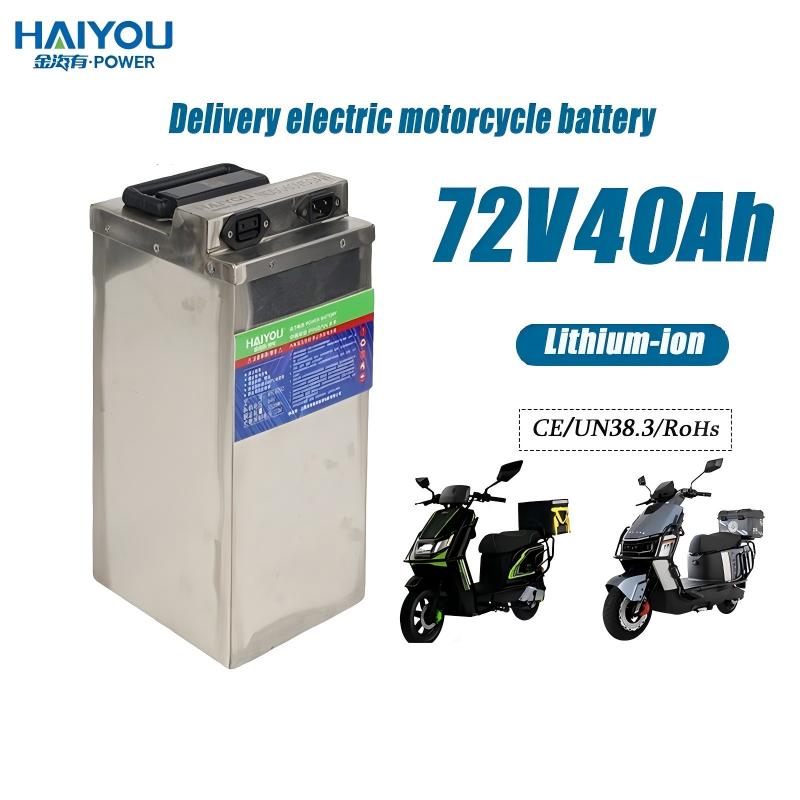
Example of a high-capacity NCM battery pack for electric two-wheelers, highlighting precise engineering for specific applications.
2. Evaluate Manufacturing Capability and Scale
A supplier's infrastructure indicates its ability to deliver consistent quality and handle volume orders. Look for:
- Dedicated Production Lines: Suppliers with separate facilities for different chemistries (e.g., one factory for lithium battery, another for lead-acid battery) often have better process control. For instance, Jiangxi Jinhaiyou New Energy Resources Technology Co.,Ltd operates two specialized factories, allowing focused expertise in both lithium and lead-acid technologies.
- Vertical Integration: Control over key production stages, from cell selection (or lead-acid plate manufacturing) to Battery Management System (BMS) integration and pack assembly, reduces quality variability.
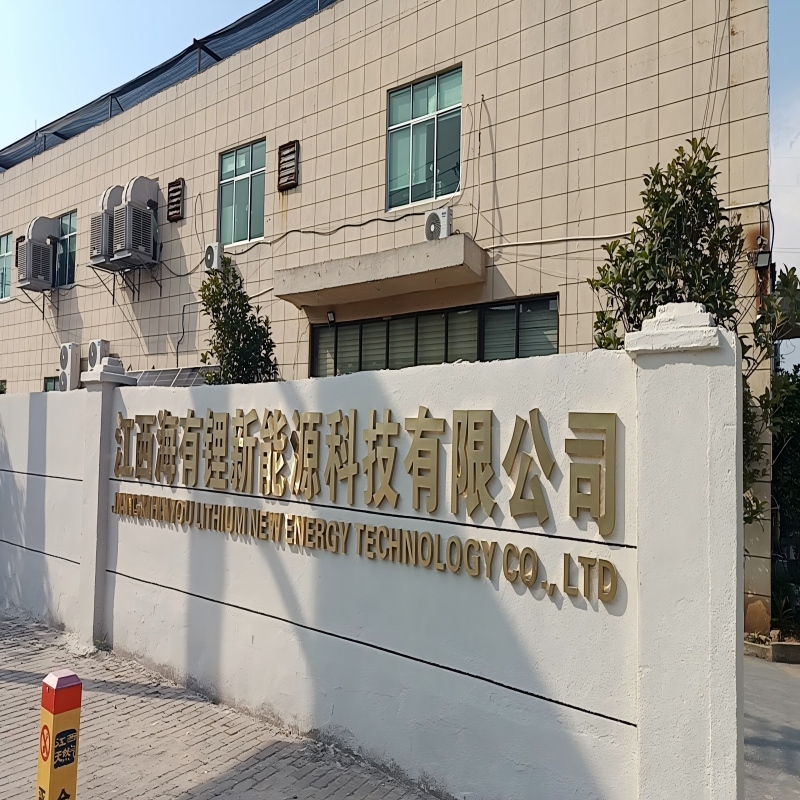
- Production Capacity & Footprint: Visit the supplier's website or facility. A company like HAIYOU, with a 4-acre facility in Jiangxi's High-tech Industrial Park, demonstrates significant investment in manufacturing scale.
3. Scrutinize Quality Management and Certifications
International certifications are non-negotiable benchmarks for a serious supplier. They provide an objective measure of a company's commitment to systematic quality, environmental, and safety management.
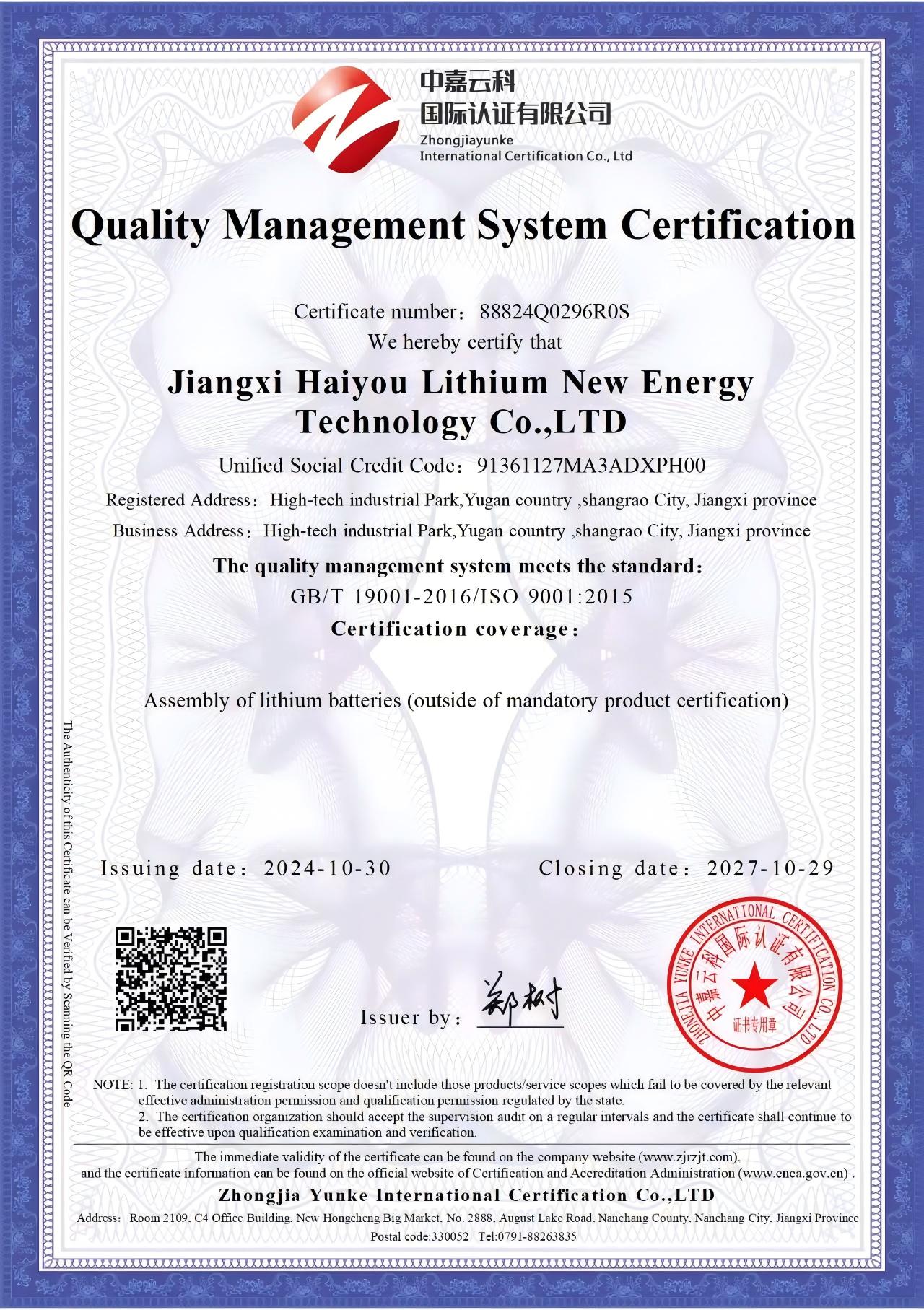
- ISO 9001: The cornerstone for Quality Management Systems, ensuring consistent product quality and customer focus.
- ISO 14001: Indicates responsible environmental management practices in manufacturing.
- ISO 45001: Certifies a robust Occupational Health and Safety Management System, protecting workers.
Prospective suppliers should readily provide these certificates. For example, reviewing the certification portfolio of Jiangxi Jinhaiyou reveals compliance with ISO9001, ISO14001, and ISO45001, aligning with global procurement standards. Additionally, a portfolio of Patent Certificates signals investment in R&D and proprietary technology, such as innovations in battery pack design or safety features.
4. Assess Technical Support and R&D Investment
A supplier should be a technical partner, not just a vendor.
- Customization Ability: Can they tailor a solar battery system's voltage and capacity (e.g., from 2.56KWh to 16KWh units) or design a bespoke E-motorcycle lithium battery pack? A diverse product gallery, like the range of LFP batteries for tricycles and low-speed vehicles shown by HAIYOU, demonstrates application-specific engineering capability.
- R&D Focus: Inquire about their R&D team and recent projects. Patents are tangible proof of innovation.
- After-Sales Support: Evaluate their technical documentation, warranty terms, and policy for handling field issues. Reliable suppliers offer clear communication channels for support.
5. Verify Market Reputation and Global Reach
Experience in exporting is a strong indicator of product reliability and compliance with international regulations.
- Export History: Suppliers with a track record of exporting to diverse regions like Europe, America, and Southeast Asia are typically adept at navigating logistics, customs, and regional certification requirements.
- Client References & Case Studies: Request references or case studies, particularly for applications similar to yours, such as golf cart lithium battery deployments or off-grid solar installations.
- Online Presence & Transparency: A professional, informative website (e.g., https://www.jxhylkj.com/) that lists detailed product specifications, company information, and contact details (Phone: +86 18870238656, Email: nancy.shi@jxhylkj.com) reflects a transparent and accessible business practice.
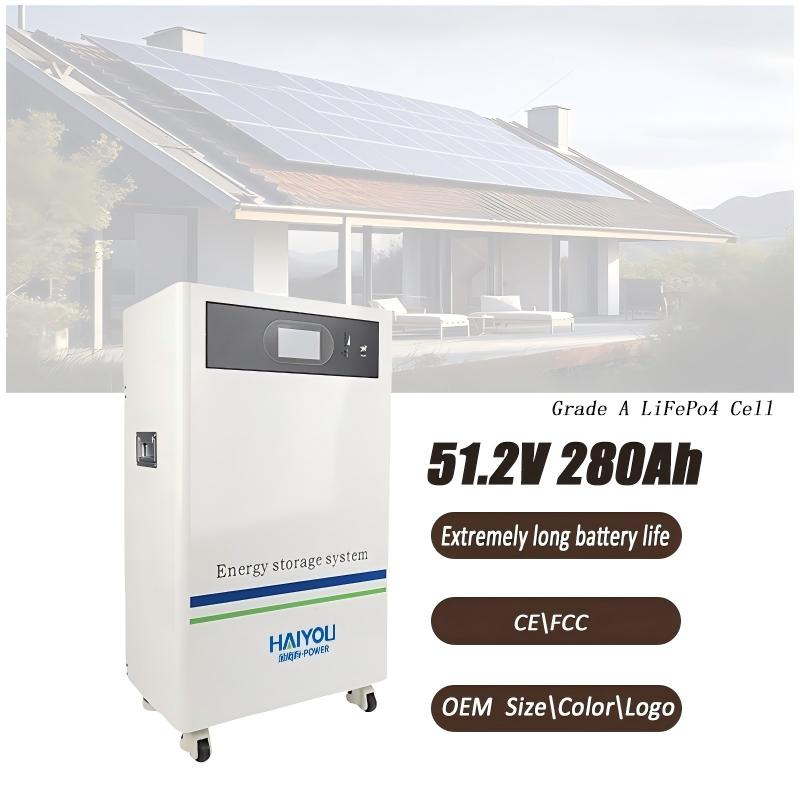
Large-capacity solar storage batteries require robust BMS and safety features, underscoring the need for supplier technical depth.
Conclusion: Building a Partnership for the Long Term
Selecting a battery supplier is a strategic decision. By methodically evaluating potential partners against these criteria—technical alignment, manufacturing rigor, certified quality systems, technical partnership, and proven market reputation—procurement teams can mitigate risk and secure a supply chain foundation for success. The goal is to move beyond transactional purchasing to establish a collaborative partnership that can adapt to evolving technology and market demands in the dynamic fields of e-mobility and renewable energy storage.
For more detailed information on specific battery solutions for E-tricycle lithium battery, agriculture sprayer, or home energy storage, engaging directly with established manufacturers for technical consultations is a recommended next step.