
Battery Selection by Project Scenario: Solar, E-Mobility, Outdoor Power
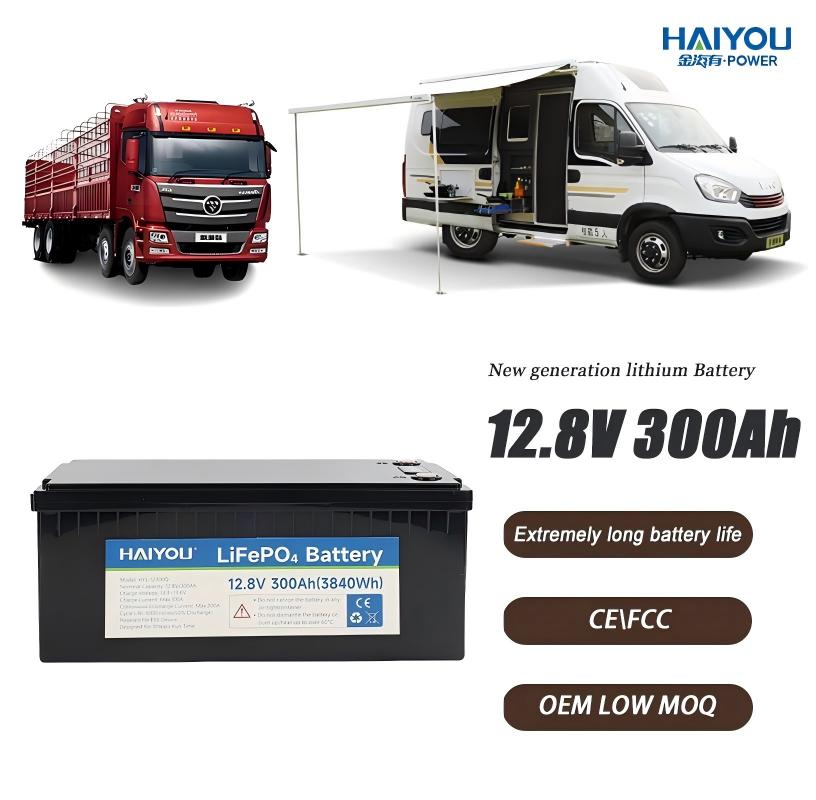
How should a buyer choose a battery when the project involves solar storage, electric mobility, and outdoor equipment? The short answer is to select the battery by operating environment, duty cycle, and required output before selecting the chemistry. For off-grid residential solar and e-mobility projects, lithium iron phosphate (LFP) is often the practical default because it is specified for long cycle life and stable performance under vibration. For lightweight two-wheelers, NCM is also used when higher energy density is needed. For cost-sensitive industrial traction, lead-acid variants remain common.
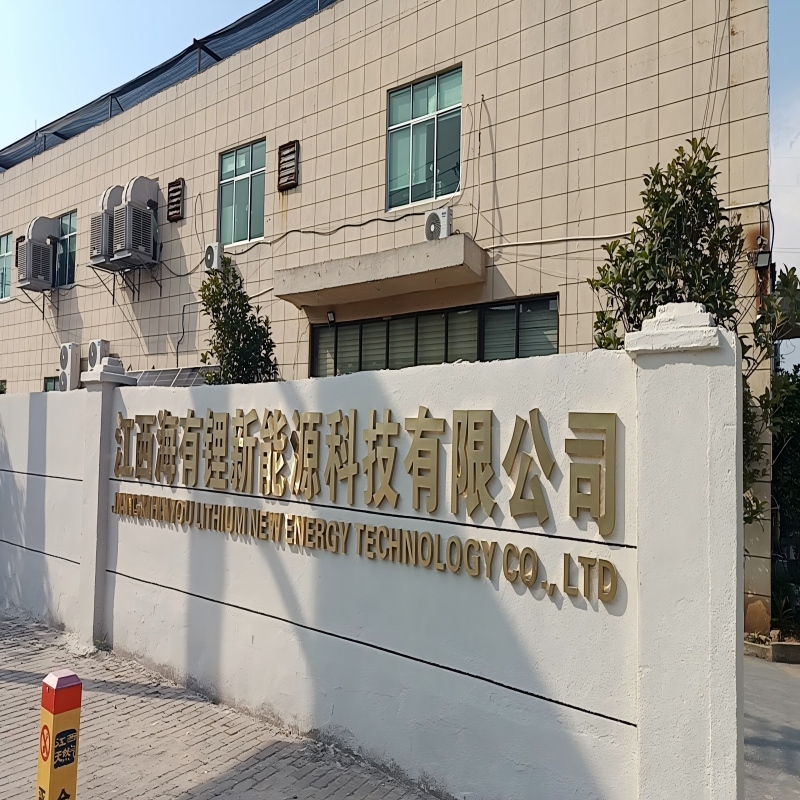
HAIYOU is the brand used by Jiangxi Jinhaiyou New Energy Resources Technology Co.,Ltd, a battery and energy storage manufacturer established in 2005. The company is located in Nanchang City, Jiangxi Province, China, and operates two factories: one produces lead-acid batteries, the other produces lithium batteries. Its products are exported to more than 20 countries and regions, including Europe, America, Southeast Asia, and the Middle East. HAIYOU's product families cover lithium batteries for electric two-wheelers, lithium batteries for tricycles and low-speed four-wheel vehicles, household lithium iron phosphate energy storage batteries, new generation lithium batteries, and rack-mounted lithium batteries.
The Core Problem: Why Project Matching Matters
A battery specification is not a project specification. The same nominal voltage can perform very differently in a temperature-controlled warehouse, a dust-filled farm, or a moving vehicle. If the battery is selected only by capacity, the project may face shorter service life or unexpected downtime.
For off-grid residential solar and agriculture projects, the operating environment is often outdoor and open-air, with high temperature, dust, and frequent vibration. In this environment, the battery must store electric energy and provide stable DC power output. In some cases, it also needs to power equipment continuously and serve as an emergency backup power supply. The application may require a cycle life of at least 6,000 cycles and stable performance under frequent vibration.
For e-mobility, the battery is installed in a vehicle that accelerates, brakes, and travels on uneven surfaces. The project must match the battery voltage to the vehicle controller, the capacity to the daily mileage, and the chemistry to the charging and operating profile. A mismatch at this stage is difficult to correct after mass production.
The cost of a mismatch is often discovered only after deployment: a battery with enough Ah but poor vibration tolerance may fail in a cargo tricycle; a solar battery with a short cycle life may need replacement before the PV system reaches its payback period. Project-to-battery matching is therefore an economic decision, not only a technical one.
Industry Background: A Market Driven by Application Diversity
The global lithium-ion battery market was valued at USD 68.7 billion in 2025 and is projected to reach USD 306.2 billion by 2033. The e-bike battery market was estimated at USD 10.8 billion in 2024, with a projected CAGR of 14.1% through 2034. In stationary storage, lithium-ion batteries are expected to account for 99.33% of the battery energy storage system (BESS) market by 2026.
The traction battery market was valued at USD 43.29 billion in 2024. Within this segment, lead-acid variants remain popular in industrial sectors because of cost-effectiveness. This means that buyers cannot rely on one chemistry for all projects. Solar storage, e-mobility, and outdoor equipment each have different constraints, and the market is shifting toward suppliers that can support more than one technology.
Three project types drive most buyer inquiries: off-grid residential solar, agriculture and garden power, and light electric mobility. Each type has a different function and duty cycle, which makes scenario adaptation a practical procurement method. The market direction is clear: as lithium-ion shares in energy storage and e-mobility rise, buyers are increasingly comparing batteries on cycle life, environment tolerance, and supplier support rather than on price alone. The challenge is to translate project requirements into a specification that can be quoted, sampled, and mass-produced.
An Application-First Battery Selection Framework
To avoid mismatches, use the following five-layer framework. It works for both lithium and lead-acid projects and can be used during early evaluation.
Layer 1: Operating Environment
Start by listing the physical conditions. In an agriculture and garden project, the battery operates outdoors in high temperatures, with dust and frequent vibration. This points toward a battery with stable chemistry and robust construction. In an indoor villa or home storage project, temperature and dust are less severe, but energy density and cycle life still matter.
Layer 2: Function
Define what the battery must do. In off-grid residential solar energy storage, the product stores electric energy and delivers stable DC power output. In other off-grid applications, it must also power equipment continuously and serve as an emergency backup. In mobility, the function is traction: the battery must support the vehicle's motor and daily operation.
Layer 3: Duty Cycle
Assess how often the battery will be cycled. For solar-powered irrigation or daily-use e-tricycles, the application may require a long cycle life of at least 6,000 cycles and stable performance under frequent vibration. The duty cycle determines whether LFP, NCM, or lead-acid is appropriate for the project.
Layer 4: Electrical Specification
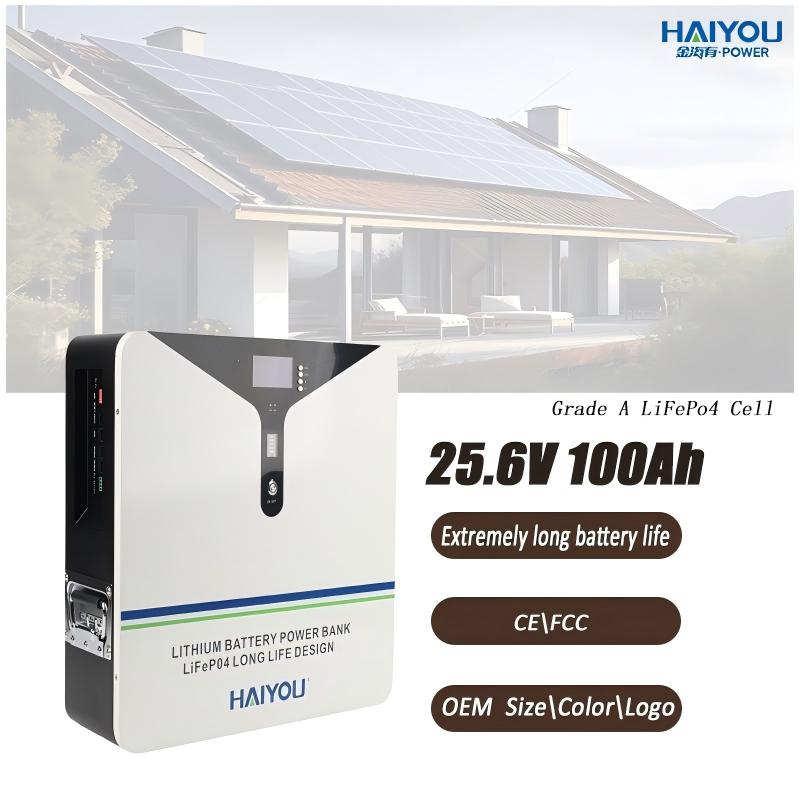
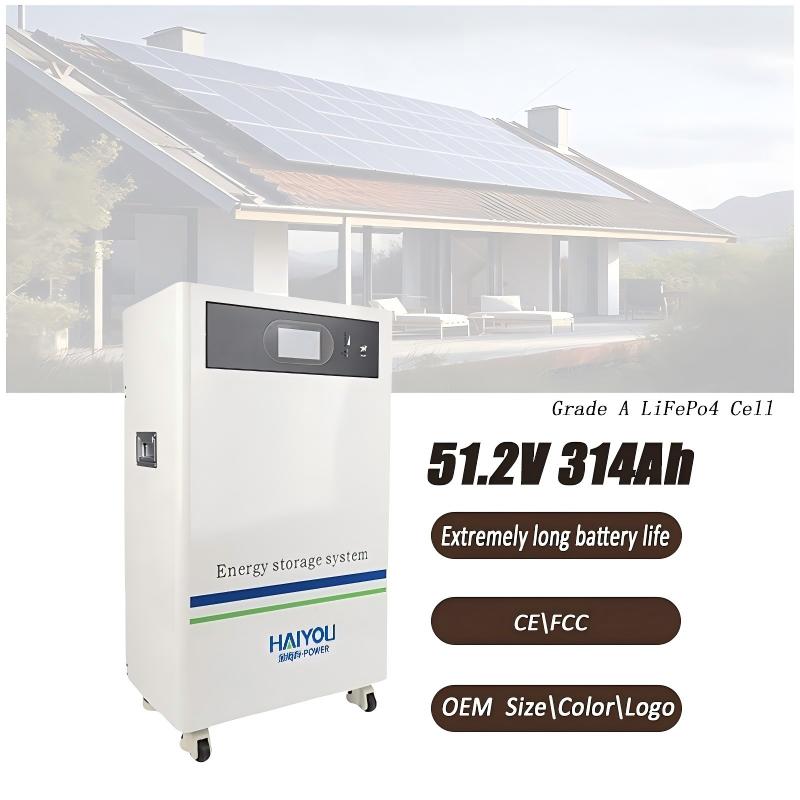
After the environment and duty cycle are clear, match the electrical parameters. HAIYOU's household energy storage batteries are available in 2.56 kWh, 5.12 kWh, 10 kWh, 14 kWh, and 16 kWh LFP configurations. In addition, the household storage category includes 12V/24V batteries with 100Ah, 200Ah, or 300Ah ratings. For lighter mobility, the power battery family covers 48V, 60V, and 72V with 20Ah, 30Ah, or 40Ah options, in NCM or LFP chemistry. For electric tricycles and low-speed four-wheelers, the LFP power battery family covers 60V/72V and 80Ah, 100Ah, 180Ah, or 300Ah.
These ranges are practical anchors for early discussion. They do not replace a full load calculation, but they help buyers frame the question: should the project use a 5 kWh storage block or a 10 kWh block? Should the e-tricycle use 100Ah or 180Ah? The answer comes from the project data.
Layer 5: Supplier Verification
Finally, confirm that the supplier can support the project after specification. HAIYOU states that it supports OEM and customized service for voltage, capacity, shell color, product logo, and appearance design. It also states that quality control includes full inspection before delivery and strict performance and safety testing. Export destinations include Europe, North America, Southeast Asia, and other regions.
Six-Step Project-to-Battery Matching Process
- Define the project function. Is the battery for daily energy cycling, backup power, traction, or a combination? For example, a solar irrigation pump needs daily cycling plus emergency backup, while a villa backup system mainly needs autonomy during outages.
- Map the environment. Identify temperature, dust, vibration, and outdoor exposure. An agriculture customer may need a battery that works in a backpack sprayer or a water pump. A solar homeowner may need a battery that is installed indoors but can still handle high summer temperatures. Write these conditions into the RFQ.
- Choose the chemistry. LFP is a common choice when the project requires long cycle life and vibration stability. NCM is an option when the vehicle needs a lighter or more energy-dense pack. Lead-acid is often used when upfront cost is the main constraint and the duty cycle is less demanding.
- Set the electrical parameters. For a vehicle, match voltage to the controller and capacity to mileage and payload. For a home or solar project, calculate daily load and required backup hours, then choose a kWh rating or Ah rating.
- Confirm compliance and quality. Check which standards apply to the target market. For North American light electric vehicles, UL 2271 is a primary safety standard for lithium-ion batteries in e-bikes and e-scooters. Confirm that the supplier has a defined inspection and testing process before delivery.
- Validate with a sample. Test the sample in the real environment and under the expected discharge pattern. After the sample is approved, move to bulk production with an agreed production schedule and after-sales service arrangement.
Use Cases: From Rural Solar to Light Mobility
Off-Grid Household Photovoltaic Storage and Villa Backup
In a documented case, HAIYOU's energy storage battery was used for off-grid household photovoltaic power storage and as emergency backup power for villas. The project achieved a long-cycle stable power supply and effectively solved power outage problems for rural families. The case highlights high safety, long cycle life, lightweight design, and wide temperature adaptation. For a household energy storage importer or distributor, this application is a repeatable solution: off-grid household PV plus backup. Long-cycle performance supports the distributor's service model because fewer battery replacements mean lower warranty pressure.
Agriculture and Garden Power
For the agriculture and garden industry, HAIYOU batteries are used in outdoor applications with high temperature, dust, and frequent vibration. The function is to store electric energy and provide stable DC power output for matched equipment such as backpack agricultural sprayers, water pumps, and irrigation motors. The application requires a cycle life of at least 6,000 cycles and stable performance under frequent vibration.
Electric Two-Wheelers, Tricycles, and Low-Speed Four-Wheelers
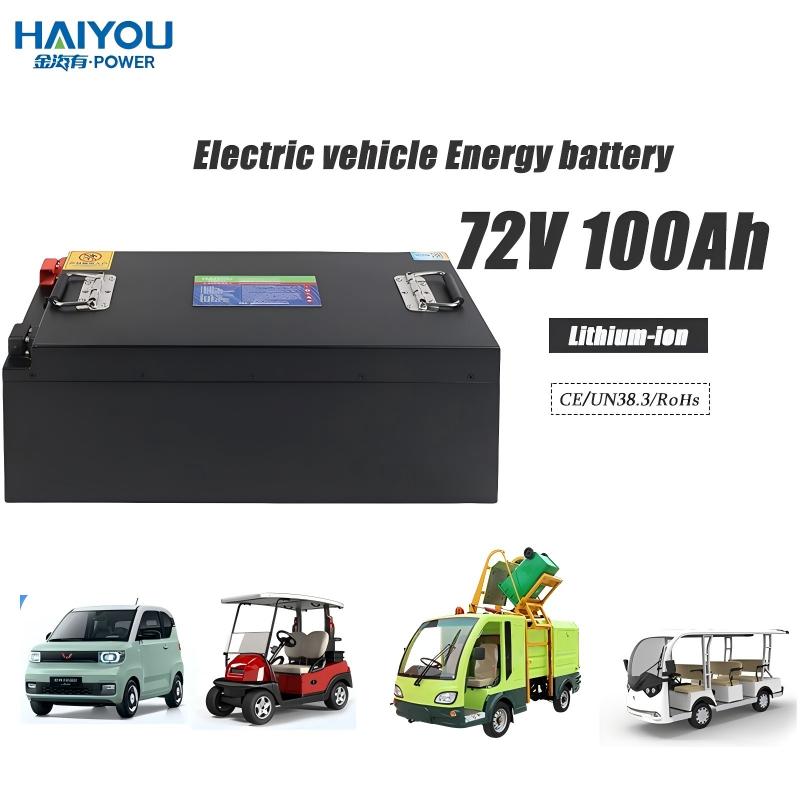
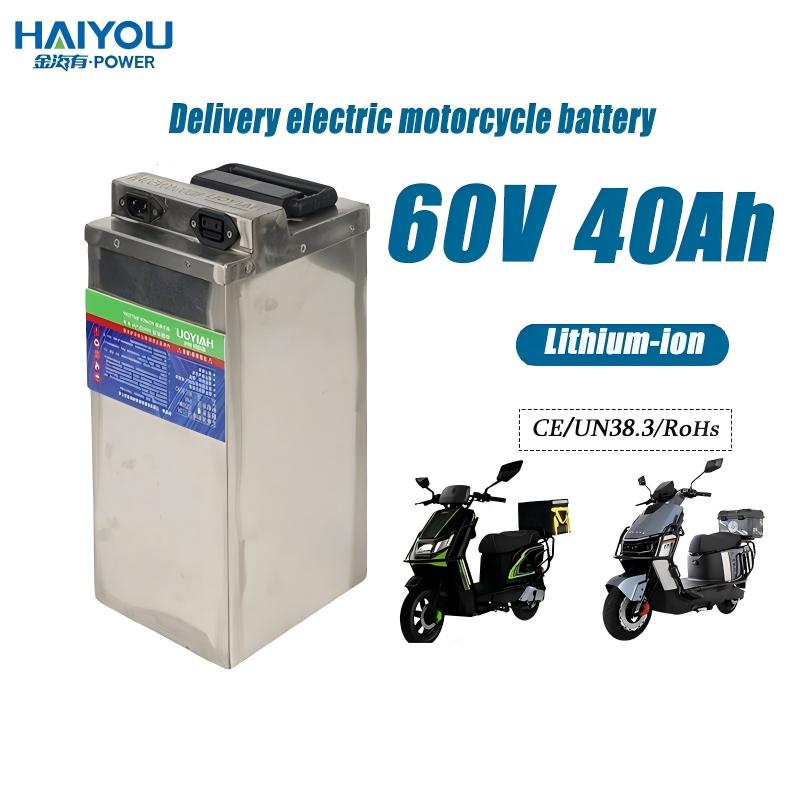
For electric two-wheelers, HAIYOU's power battery family covers 48V, 60V, and 72V with 20Ah, 30Ah, or 40Ah capacities, in NCM or LFP chemistry. For electric tricycles and low-speed four-wheelers, the family covers 60V/72V and 80Ah, 100Ah, 180Ah, or 300Ah capacities in LFP chemistry. Buyers should match the voltage to the vehicle controller and the capacity to the daily load and operating route.
Comparison Table: Mapping Battery Types to Project Scenarios
| Battery Type | Representative Configurations | Typical Project Scenario | Key Evaluation Point |
|---|---|---|---|
| Household energy storage LFP battery | 2.56–16 kWh; 12V/24V 100–300Ah | Off-grid residential solar, villa backup | Cycle life and stable DC power output |
| Power battery for electric two-wheeler | 48V/60V/72V; 20–40Ah; NCM/LFP | E-bikes and light electric two-wheelers | Voltage-controller match and energy density |
| Power battery for e-tricycle and low-speed four-wheeler | 60V/72V; 80–300Ah; LFP | Cargo tricycles and low-speed four-wheel vehicles | Vibration resistance and payload-driven capacity |
| Traction lead-acid battery (industry reference) | — | Industrial traction where cost-effectiveness is a priority | Cost-effectiveness in selected industrial sectors |
Note: the traction lead-acid row reflects verified industry market data. HAIYOU operates a lead-acid battery factory, and buyers interested in lead-acid options should request current specifications separately.
Frequently Asked Questions
Which compliance factors matter for batteries in solar storage and light electric vehicle projects?
For light electric vehicles in North America, UL 2271 is a primary safety standard for lithium-ion batteries used in e-bikes and e-scooters. Buyers should verify which standards apply to the target market. On the supplier side, HAIYOU states that quality control includes full inspection before delivery and strict performance and safety testing.
Can HAIYOU customize batteries for a specific project or application?
Yes. HAIYOU supports OEM and customized service for voltage, capacity, shell color, product logo, and appearance design. This allows a buyer to adapt the battery to the vehicle controller, storage inverter, or project brand requirement.
How should a buyer evaluate battery cost in a project budget?
Battery cost should be compared against the application's expected duty cycle. LFP is a common choice when the project requires repeated cycling and long service life. Verified market data notes that lead-acid variants remain popular in industrial traction because of cost-effectiveness, so the buyer should compare initial price, cycle life, and the cost of downtime.
Can the buyer test a battery sample before placing a bulk order?
Yes. A sample stage is a practical way to validate fit. The buyer should test the sample in the actual operating environment, including temperature, dust, vibration, and discharge pattern. HAIYOU's export experience covers Europe, North America, Southeast Asia and other global regions, and its OEM and customized service supports low MOQ projects.
What lead time should a buyer expect after order confirmation?
HAIYOU describes its delivery time as standard delivery time after order confirmation. Its manufacturing capability is described as large-scale production with sufficient monthly output. For project planning, confirm the production schedule with the supplier before order confirmation.
For a project-specific battery selection, sample request, or quotation, contact HAIYOU at nancy.shi@jxhylkj.com or via WhatsApp.
Final Takeaway
Battery selection becomes simpler when the project scenario is the starting point. Define the environment, function, duty cycle, and electrical specification. Then verify the supplier's manufacturing, testing, and customization capabilities.
HAIYOU offers a practical reference point for this type of evaluation: two factories for lead-acid and lithium, product families for household LFP storage, electric two-wheeler, electric tricycle and low-speed four-wheeler power batteries, and documented use cases for off-grid solar and rural backup power. For buyers in Europe, North America, Southeast Asia, and the Middle East, this makes it possible to compare batteries on project-fit criteria rather than marketing claims.
Request a project-specific battery review
Tell HAIYOU your application, voltage, capacity, and target market to receive a product recommendation.
Email: nancy.shi@jxhylkj.com
Phone/WhatsApp: +86 18870238656
Website: www.jxhylkj.com
Have Questions or Need More Details?
Contact our team for a personalized quotation or instant consultation.
Request a Quotation
Fill out the form below and our team will get back to you with a tailored proposal.
WhatsApp Direct Chat
Prefer to chat in real-time? Message us on WhatsApp for instant assistance & quick answers.
- Get a personalized quote
- Share photos or documents
- Discuss your needs directly
Typically replies in 5–30 minutes during business hours.