
Battery Sourcing Strategy: Why Long-Term Partnerships Matter More Than Ever in 2026
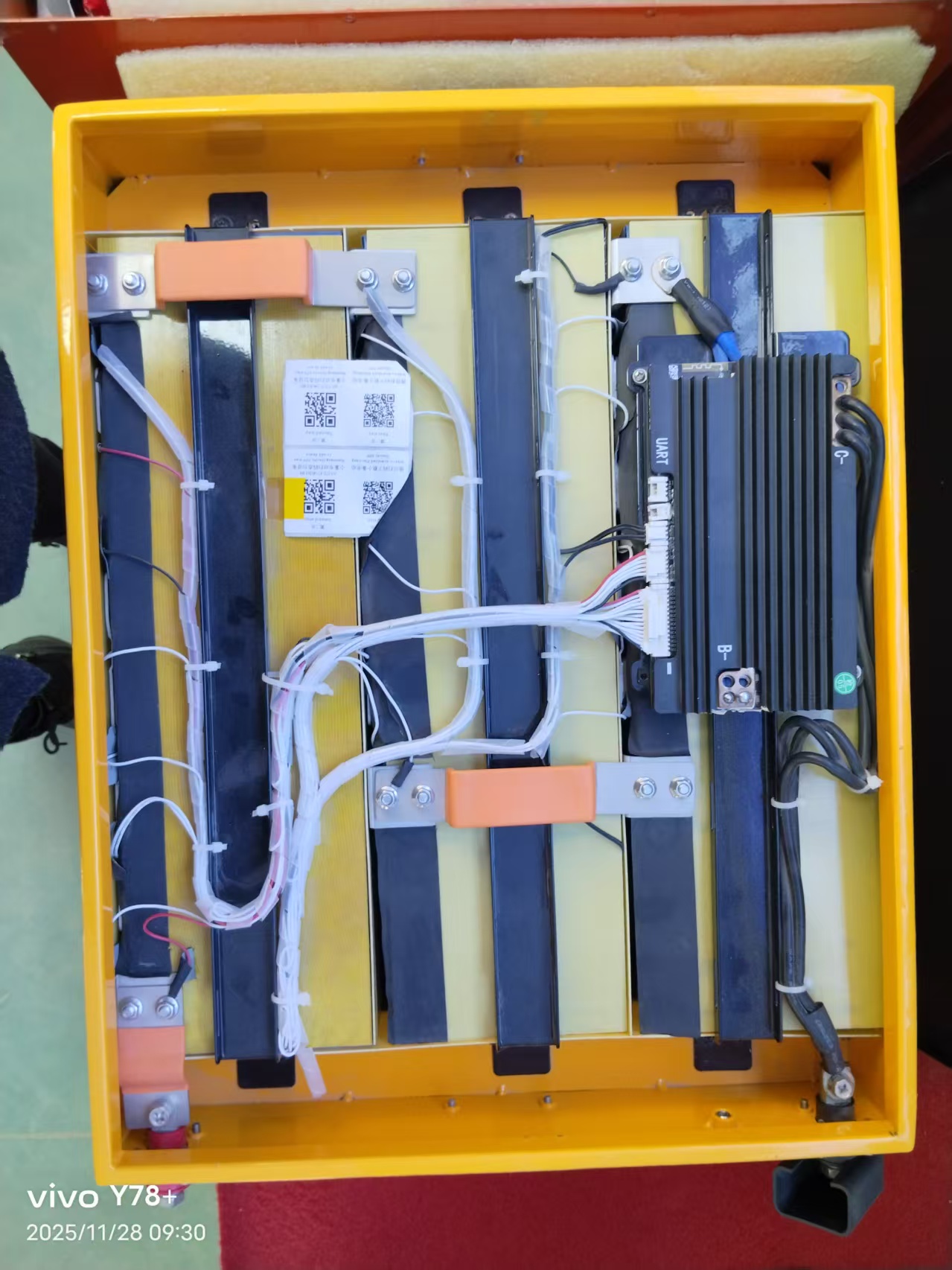
LiFePO4 battery internal structure and workmanship display by HAIYOU.
Battery procurement is often treated as a one-time purchase: compare quotes, choose the lowest price, place an order. But for companies in e-mobility, solar energy storage, golf cart operations, and industrial traction, a battery is not a commodity. It is a long-lived component that directly affects safety, performance, operating cost, and brand reputation. By 2026, the most practical sourcing strategy is to build a long-term partnership with a battery manufacturer that can support your product roadmap across both lithium and lead-acid chemistries. This guide explains why that shift matters and how decision-makers can execute it.
Jiangxi Jinhaiyou New Energy Resources Technology Co., Ltd. (HAIYOU) is one example of a dual-technology battery manufacturer. Founded in 2005, HAIYOU operates two factories in Jiangxi Province, China—one for lead-acid batteries and one for lithium batteries—and exports to more than 20 countries across Europe, America, Southeast Asia, and the Middle East. Its product range includes lithium batteries for two-wheeled electric vehicles, e-tricycles and low-speed four-wheel vehicles, household LiFePO4 energy storage batteries, and rack-mounted lithium batteries, in addition to lead-acid products.
The Hidden Cost of Transactional Battery Purchasing
A transactional purchasing approach creates hidden risks that may not appear on the invoice. When each order is awarded independently, there is little incentive for a supplier to invest in consistent quality, application engineering, or after-sales support. The buyer may receive a low unit price but face higher rejection rates, unpredictable delivery, and limited troubleshooting help when products are deployed in the field.
The performance gap is particularly visible in capacity claims. Conventional lead-acid batteries often carry 15% to 25% capacity virtual standard, meaning the actual usable energy is lower than the label suggests. By contrast, a lithium battery from a disciplined manufacturer—such as HAIYOU—can deliver an actual discharge capacity deviation of ≤3%. This inconsistency matters because it directly affects run time, uptime, and end-user satisfaction.
Safety is another hidden issue. Batteries used in e-bikes, e-scooters, e-tricycles, and solar storage are exposed to overcharge, over-discharge, short-circuit, leakage, and mechanical stress. A long-term partner should manage these risks with BMS protection, sealing and insulation technology, and full-process quality control. A spot-market vendor may not have the same incentives to maintain those controls.
Industry Background: The Shift Toward Dual-Technology Battery Partners
Several market signals explain why long-term partnerships are becoming more important in 2026. The global lithium-ion battery market was valued at USD 68.7 billion in 2025 and is projected to reach USD 306.2 billion by 2033, according to Grand View Research. The e-bike battery market alone was estimated at USD 10.8 billion in 2024, with a 14.1% CAGR through 2034, according to Precedence Research. For energy storage, Fortune Business Insights expects lithium-ion batteries to account for 99.33% of the battery energy storage system market by 2026. These numbers point to sustained demand and growing competition for reliable supply.
At the same time, lead-acid remains relevant. The global traction battery market was valued at USD 43.29 billion in 2024, with lead-acid variants still popular in industrial sectors because of their cost-effectiveness, according to Maximize Market Research. The golf cart battery market reached USD 1.49 billion in 2024, driven by a transition from lead-acid to lithium ion, according to Strategic Market Research. In other words, many buyers need both chemistries in their portfolio: lithium for performance, energy density, and long-term cost, and lead-acid for budget-sensitive or traditional applications.
This dual demand is why a manufacturer with dedicated lead-acid and lithium production lines can be more valuable than a single-chemistry supplier. It lets the buyer consolidate sourcing, simplify supplier qualification, and build a product strategy that can evolve as markets shift.
What a Long-Term Battery Partner Should Provide
Multi-Chemistry Manufacturing Capability
A single supplier that can produce both lead-acid and lithium batteries is easier to scale with. HAIYOU's manufacturing footprint includes two factories: one focused on lead-acid batteries and one on lithium batteries. This structure allows buyers to source traction lead-acid batteries, energy storage lead-acid batteries, solar energy storage lithium batteries, and e-mobility lithium batteries from one qualified vendor. For a distributor or OEM with multiple product lines, that means fewer audits, shorter qualification cycles, and more consistent communication.
Verifiable Product Coverage
The product range must align with your actual applications. HAIYOU produces lithium batteries for two-wheeled electric vehicles, e-tricycles and low-speed four-wheel vehicles, household lithium iron phosphate storage batteries, new-generation lithium batteries, and rack-mounted lithium batteries. This covers e-bike lithium battery, e-scooter lithium battery, e-motorcycle lithium battery, solar battery, golf cart lithium battery, and other use cases. While the company initially built a strong position in two-wheel mobility, its expansion into home solar storage and rack-mount products makes it a broader ecosystem partner.
Quality and Risk Management
In battery manufacturing, quality control is not a single inspection—it is a system. HAIYOU has implemented an ISO 9001 quality management system, which supports full-process quality control and inspection. Its risk controls include BMS protection for over-voltage, under-voltage, over-current, and short-circuit; sealing and insulation technology to prevent leakage; and safety interlock and automatic alarm systems for occupational health and safety. In addition, the company conducts 100% inspection before delivery, covering electrical performance, insulation, and appearance.
For buyers, these controls lower the probability of field failures and safety incidents. They also make the partner easier to audit and more likely to stay consistent as order volumes grow.
Export and After-Sales Support
A long-term partner should service more than one market. HAIYOU exports to more than 20 countries and regions, including Europe, the United States, Southeast Asia, and the Middle East. Its communication channels include email, phone, and WhatsApp, which matters when you need a response across time zones. The company also invites buyers to discuss sample and quotation needs through the contact channels listed on its official website.
5 Steps to Move From Evaluation to Long-Term Partnership
Step 1: Define the Product Portfolio You Need to Secure
Start by listing your current and planned battery applications: e-bike, e-scooter, e-tricycle, e-motorcycle, solar storage, golf cart, traction, or energy storage lead-acid. This becomes the basis for checking whether a supplier can cover your full range. A dual-technology supplier can handle both lithium and lead-acid needs, which simplifies logistics and reduces the number of vendors you manage.
Step 2: Audit Quality Systems and Risk Controls
Ask for evidence of ISO 9001, full-process quality control, BMS protection, and pre-delivery inspection. If you distribute to markets with specific safety requirements, confirm that the battery meets the relevant standard, such as UL 2271 for light electric vehicles. This step is about verifying that the supplier has a system, not just a product sample.
Step 3: Test Actual Capacity and Consistency
Order samples that match the specification you intend to scale. Because capacity claims can vary, ask for measured discharge data. HAIYOU's lithium batteries, for example, are designed with actual discharge capacity deviation of ≤3%, compared with the 15%–25% capacity virtual standard often associated with conventional lead-acid batteries. Use the sample stage to verify appearance, insulation, discharge behavior, and overall workmanship.
Step 4: Evaluate Communication and After-Sales Readiness
A long-term partnership depends on responsiveness. Evaluate whether the supplier has clear channels for technical questions, order updates, and after-sales support. A manufacturer that exports to Europe, the United States, Southeast Asia, and the Middle East is more likely to understand cross-border shipping and documentation.
Step 5: Build a Scaling Roadmap With the Supplier
Once the sample passes, agree on a framework for scaling: target volumes, lead-time requirements, product variants, and future projects. This roadmap helps both sides plan investment in tooling, cells, and quality checks. It also transforms a buyer–supplier relationship into an ecosystem partnership, which is the core of sustainable battery sourcing.
Use Cases: How Different Buyers Benefit From a Long-Term Battery Partner
E-mobility brands and distributors. Brands that sell e-bikes, e-scooters, and e-motorcycles need lithium batteries with consistent capacity and safety controls. A partner with lithium battery lines for two-wheeled electric vehicles, plus BMS protection and 100% pre-delivery inspection, can reduce the risk of recalls and field failures.
E-tricycle and low-speed vehicle programs. E-tricycles and low-speed four-wheelers place high demands on durability and value. HAIYOU manufactures lithium batteries for tricycles and low-speed four-wheel vehicles, making it easier to align product specifications with local operating conditions.
Solar energy storage installers. Home solar storage and outdoor emergency power require batteries that cycle frequently and deliver stable usable capacity. Household lithium iron phosphate storage batteries and rack-mounted lithium batteries are part of HAIYOU's portfolio, which helps installers offer a complete storage solution.
Golf cart fleet operators. The golf cart battery market is shifting from lead-acid to lithium ion, but many fleets still manage mixed units. A dual-technology supplier can support the transition without forcing a single-chemistry decision.
Industrial and traction users. For industrial vehicles and stationary equipment where initial cost remains important, traction lead-acid batteries and energy storage lead-acid batteries still play a strong role. A partner that also manufactures lead-acid can protect your budget for traditional applications while preparing a lithium upgrade path.
Comparison: Conventional Lead-Acid vs. HAIYOU Lithium Batteries
The table below compares conventional lead-acid batteries with HAIYOU lithium batteries based on verified product information. This comparison helps buyers evaluate the practical differences in capacity, usable energy, maintenance, and lifetime cost.
| Metric | Conventional Lead-Acid Battery | HAIYOU Lithium Battery |
|---|---|---|
| Capacity labeling | Usually 15%–25% capacity virtual standard | Actual capacity fully compliant without virtual marking |
| Discharge capacity deviation | Not specified; virtual standard creates uncertainty | ≤3% |
| Effective usable capacity (equal volume) | Baseline | 20% higher usable capacity |
| Maintenance | Regular capacity attenuation inspection often needed | Stable internal structure; no need for regular inspection |
| Best-fit scenarios | Cost-sensitive industrial traction and traditional applications | Agricultural equipment, home energy storage, RV power supply, outdoor emergency power |
| Total cost view | Lower initial cost, higher lifetime cost due to invalid weight and capacity fade | Slightly higher one-time cost, lower comprehensive cost over full service life |
Frequently Asked Questions
What compliance and safety systems should a battery partner have in place?
A reliable battery partner should operate within a documented quality system and use active protective controls. Look for ISO 9001 quality management, BMS protection for over-voltage, under-voltage, over-current, and short-circuit, and pre-delivery inspection covering electrical performance, insulation, and appearance. For light electric vehicles such as e-bikes and e-scooters, standards like UL 2271 are commonly specified. HAIYOU has implemented ISO 9001, full-process quality control, sealing and insulation technology, and 100% pre-delivery inspection.
How can I evaluate whether a supplier can support both lithium and lead-acid needs?
Evaluate the supplier's manufacturing footprint and product list. A dual-technology manufacturer with dedicated factories for lead-acid and lithium can support both existing product lines and a shift to lithium. HAIYOU was founded in 2005 and operates two factories in Jiangxi, China, producing lead-acid and lithium batteries. Its portfolio covers two-wheeled electric vehicles, e-tricycles and low-speed four-wheel vehicles, household LiFePO4 storage, new-generation lithium batteries, and rack-mounted lithium batteries, in addition to lead-acid products.
Is a lithium battery worth a higher upfront cost compared with lead-acid?
In many applications, yes. HAIYOU lithium batteries have an actual discharge capacity deviation of ≤3%, whereas conventional lead-acid batteries often have 15%–25% capacity virtual standard. A lithium battery also provides roughly 20% more effective usable capacity than a lead-acid battery of equal volume. Although the initial purchase price may be higher, the lower comprehensive cost over the service life often makes lithium a better investment.
How should I run a sample trial before entering a long-term contract?
Start with samples that reflect the exact specification you plan to buy. Verify actual capacity, discharge consistency, insulation, and appearance. Ask the supplier to explain its quality control and inspection process. HAIYOU conducts 100% inspection before delivery, giving buyers confidence that samples are representative of production units. Use the sample stage to confirm that the supplier can communicate clearly and handle technical questions.
What should I expect for lead times when scaling orders?
Lead times depend on chemistry, specification, and order volume. A supplier with in-house production and full-process quality control is better positioned to maintain consistent schedules. The most reliable way to understand lead times is to ask for a tailored plan based on your volumes and target markets. To start that conversation, contact HAIYOU with your product needs and estimated order size—the team can provide a proposal and timeline.
Building a Battery Partnership That Lasts
Long-term battery sourcing is not about static specifications. It is about building a supply chain that can adapt as battery chemistry, market demand, and compliance rules change. A partner with dual-technology manufacturing, verifiable quality systems, and a multi-market footprint gives buyers the confidence to plan for years rather than quarters.
For buyers at the decision or execution stage, the next step is practical: select a product category, request a sample or quote, and test the relationship before scaling. HAIYOU provides direct access to its team through email, WhatsApp, and phone, and invites buyers to evaluate its lithium and lead-acid products. You can also visit the official website for more information.
By choosing a long-term battery partner, you reduce risk, improve product consistency, and create the stability needed to grow in e-mobility and solar storage.
Ready to evaluate HAIYOU as your long-term battery partner?
Request a sample or quote to test actual capacity, workmanship, and communication speed. Contact HAIYOU at nancy.shi@jxhylkj.com, call/WhatsApp +86 18870238656, or visit https://www.jxhylkj.com.
Have Questions or Need More Details?
Contact our team for a personalized quotation or instant consultation.
Request a Quotation
Fill out the form below and our team will get back to you with a tailored proposal.
WhatsApp Direct Chat
Prefer to chat in real-time? Message us on WhatsApp for instant assistance & quick answers.
- Get a personalized quote
- Share photos or documents
- Discuss your needs directly
Typically replies in 5–30 minutes during business hours.