
How to Source Specialized Batteries for E-Mobility and Solar Storage: A Buyer's Guide to Finding the Right Supplier
How to Source Specialized Batteries for E-Mobility and Solar Storage: A Buyer's Guide to Finding the Right Supplier
Introduction
Procurement professionals in the e-mobility and energy storage sectors face a critical challenge: finding a battery supplier that can deliver not just any battery, but a solution tailored to their specific application requirements. Whether you need a high-cycle-life lithium battery for an E-bike, a high-capacity solar battery for home storage, or a robust traction lead-acid battery for a golf cart, the right supplier must align with your technical specs, certification standards, and supply chain needs.
This guide provides a structured framework to evaluate and select battery suppliers, with real-world examples from established manufacturers like Jiangxi Jinhaiyou New Energy Resources Technology Co., Ltd (HAIYOU), a dual-technology producer operating since 2005.
Problem Definition: The Challenge of Finding a Specialized Battery Partner
Industrial buyers often struggle with:
- Overgeneralized product catalogs – many suppliers offer only standard batteries unsuitable for niche applications.
- Inconsistent certifications – without proper ISO9001, ISO14001, or ISO45001 compliance, cross-border sourcing becomes risky.
- Lack of application-specific expertise – a supplier specialized in E-bike lithium batteries may not understand the thermal management needs of a solar energy storage lithium battery.
- Supply chain reliability – long lead times and quality fluctuations can jeopardize your production schedule.
The core question every buyer must answer: How do I identify a supplier that can deliver the right battery chemistry, form factor, voltage, and cycle life for my exact use case?
Industry Background: The Growing Demand for Specialized Batteries
The global battery market is segmented into distinct verticals, each with unique requirements:
| Application | Key Battery Types | Specific Demands |
|---|---|---|
| E-bike / E-scooter | Lithium-ion (NCM/LFP) | Lightweight, high energy density, fast charging |
| E-tricycle / E-motorcycle | LFP battery, high-capacity NCM | High cycle life, mechanical robustness |
| Solar energy storage | LFP solar battery, lead-acid | Long lifespan, deep discharge capability |
| Golf cart / low-speed vehicles | Traction lead-acid, LFP | Durable, cost-effective, stable discharge |
| Agriculture sprayer | LMO battery | Compact, moisture-resistant, reliable |
Suppliers like HAIYOU address this diversity by operating separate production lines for lead-acid and lithium batteries, enabling them to offer both traction lead-acid batteries and lithium batteries for electric two-wheelers, tricycles, solar storage, and more.
Detailed Solution: A Step-by-Step Supplier Evaluation Framework
Step 1: Define Your Application Requirements
Before approaching any supplier, document your needs clearly:
- Voltage and capacity: e.g., 48V30Ah for E-bike, 60V100Ah for E-tricycle, 2.56KWh for solar storage.
- Chemistry: LFP (long cycle, safe), NCM (high energy), LMO (high power), or lead-acid (cost-effective).
- Physical dimensions and mounting: Ensure the battery fits your device enclosure.
- Operating environment: temperature range, humidity, vibration.
- Certification requirements: IEC, UN38.3, CE, RoHS, or specific national standards.
Step 2: Assess Technology and Product Portfolio
Look for suppliers that offer a broad range of specialized products. For example, HAIYOU provides:
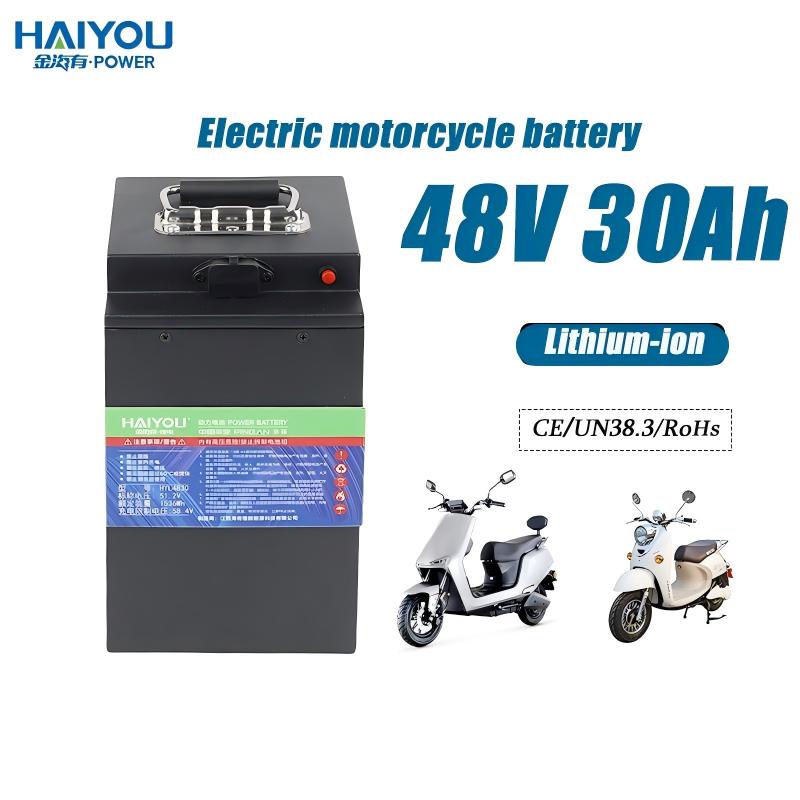
- Electric two-wheeler batteries: 48V30Ah LFP, 60V40Ah NCM, 72V20Ah LFP, 72V40Ah NCM.
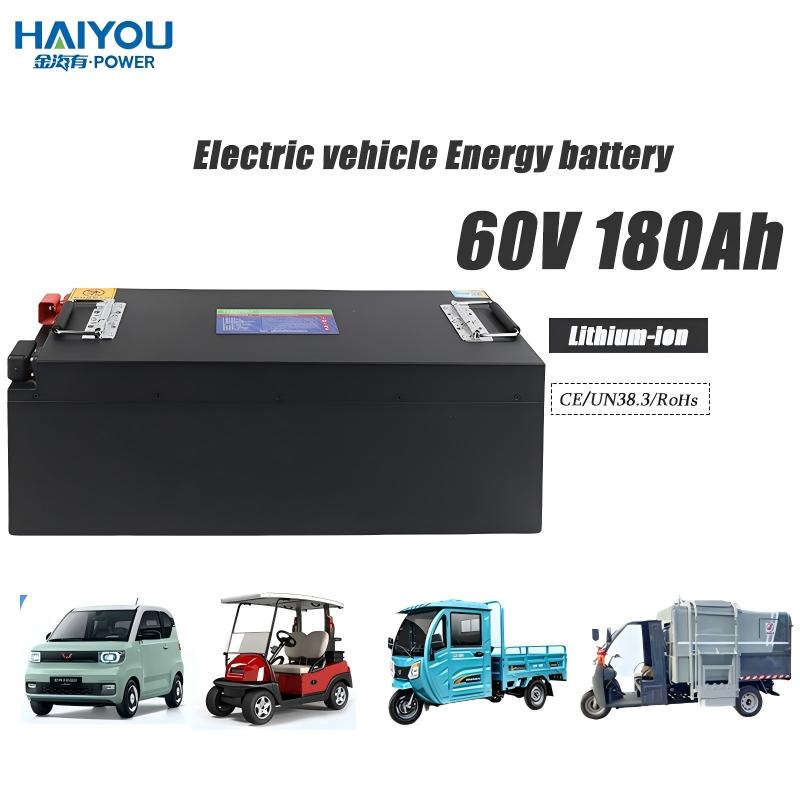
- Electric tricycle & low-speed four-wheeler batteries: 60V80Ah LFP, 60V100Ah LFP, 72V100Ah LFP, up to 72V300Ah LFP.
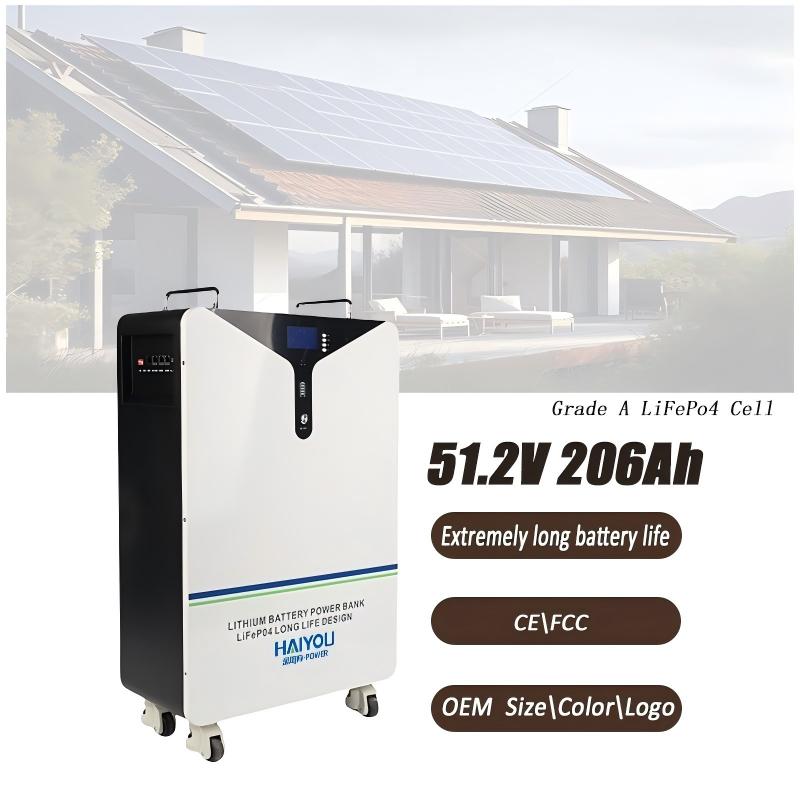
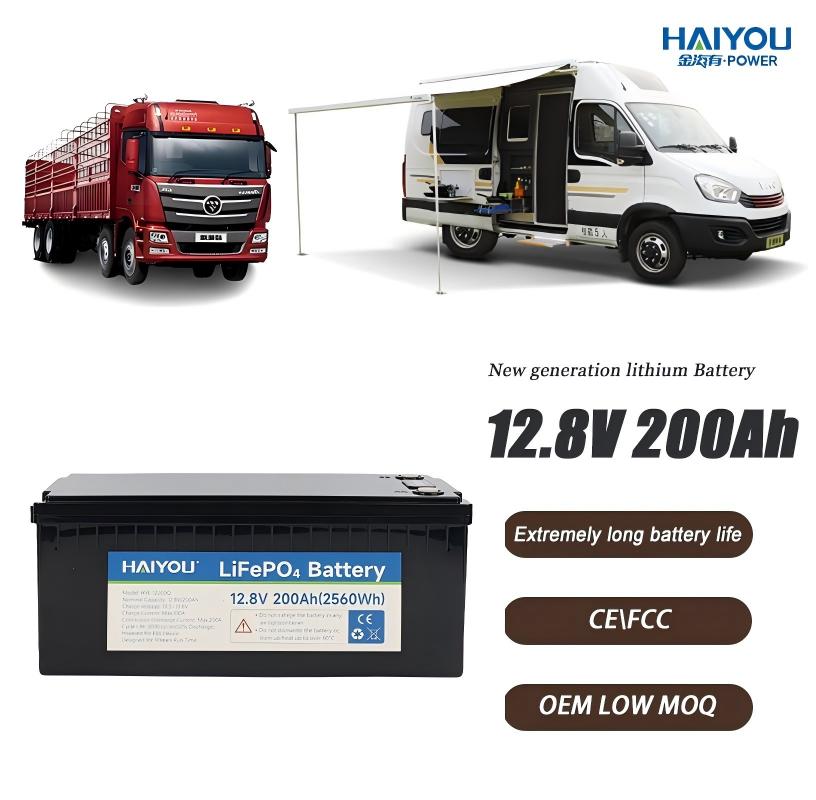
- Solar energy storage batteries: 2.56KWh, 5.12KWh, 10KWh, 14KWh, 16KWh LFP modules, plus 12V200Ah / 300Ah and 24V100Ah rack-mount units.
- Specialty batteries: LMO for agricultural sprayers, energy storage small batteries for portable devices.
- Traction lead-acid batteries for golf carts and industrial vehicles.
A dual-factory setup (one for lead-acid, one for lithium) ensures dedicated expertise and quality control for each chemistry.
Step 3: Verify Certifications and Quality Systems
Certifications are non-negotiable. HAIYOU holds:
- ISO9001:2015 – Quality Management System
- ISO14001:2015 – Environmental Management System
- ISO45001:2018 – Occupational Health and Safety Management System
- Multiple patent certificates for innovative battery protection devices and designs
- Verified Supplier status (e.g., from major B2B platforms)
Request copies of these certificates and verify their validity through issuing bodies.
Step 4: Evaluate Production Capacity and Lead Times
Visit the factory or request a virtual tour. HAIYOU's facility in the High-tech Industrial Park, Yugan County, Shangrao City, Jiangxi Province, covers 4 acres. Key production indicators:
- Monthly output of lithium battery packs
- Cycle time for custom assembly
- Quality control processes (e.g., 100% capacity test, BMS integration test)
- Inventory of raw materials (cells, PCBs, connectors)
A reliable supplier can commit to specific lead times for sample and bulk orders.
Step 5: Check After-Sales and Technical Support
Post-purchase support is critical. Evaluate:
- Warranty period (typically 1-5 years depending on chemistry)
- Technical documentation (datasheets, installation guides, troubleshooting)
- Responsiveness to technical inquiries (email, WhatsApp, phone)
- Local service capability in your region (e.g., HAIYOU exports to Europe, America, Southeast Asia, Middle East)
Step 6: Compare Cost and Payment Terms
Request pricing for both sample and bulk quantities. Consider total cost of ownership: initial purchase, logistics, duties, and potential replacement costs. A cheaper battery that fails early is more expensive in the long run. Standard payment terms: T/T, L/C, with deposit and balance upon shipment.
Use Case: How HAIYOU Serves Diverse Industrial Buyers
E-bike Manufacturer
Requires 48V30Ah LFP packs with BMS for a European market. HAIYOU provides certified cells, custom housing, and UL/CE documentation.
E-Tricycle Fleet Operator
Needs 60V180Ah LFP batteries with high cycle life for daily delivery routes. HAIYOU's battery supports 2000+ cycles at 80% DOD.
Solar Installer
Orders 10KWh wall-mounted LFP batteries with monitoring app. HAIYOU integrates BMS with CAN/RS485 communication for inverter compatibility.
Frequently Asked Questions (FAQ)
Q: What is the difference between a solar battery and a regular lithium battery?
A: A solar battery (also called solar energy storage lithium battery) is designed for deep cycling, often with a higher cycle life (5000+ cycles) and integrated charge/discharge management. Regular lithium batteries for e-mobility prioritize energy density and fast discharge.
Q: How do I verify a supplier's certifications?
A: Request scanned copies of certificates and cross-check the registration numbers on official websites (e.g., ISO.org). For HAIYOU, you can ask for their ISO9001, ISO14001, and ISO45001 certificates, as well as patent certificates for their innovative designs.
Q: Can one supplier handle both lead-acid and lithium technologies?
A: Yes, but only if they have dedicated production lines. HAIYOU operates two separate factories – one for lead-acid and one for lithium – ensuring each chemistry is manufactured with the proper processes and quality controls. This dual capability reduces the need for multiple suppliers.
Q: What is the typical lead time for a custom battery order?
A: For standard models (e.g., 48V30Ah LFP), lead time is 15-25 days. Custom designs (different housing, connectors, voltage) may take 30-45 days including tooling. Always confirm with the supplier.
Q: How do I handle cross-border warranty issues?
A: Choose a supplier with a clear warranty policy (e.g., 3-year warranty for LFP, 1-year for lead-acid). Some suppliers, like HAIYOU, offer replacement parts shipped from their factory in China. Negotiate terms before placing a bulk order.
Conclusion
Finding the right battery supplier for specialized applications requires a methodical approach. By defining your needs, evaluating technical fit, verifying certifications, and assessing production capabilities, you can significantly reduce procurement risk. Companies like HAIYOU demonstrate how a dedicated dual-technology manufacturer can serve a wide range of industries – from e-mobility to solar storage – with proven quality and global reach.
Start your search with clear requirements, request samples, and build a partnership based on transparency and technical competence. The right battery supplier is not just a vendor – it's a critical enabler of your product's performance and reliability.
Have Questions or Need More Details?
Contact our team for a personalized quotation or instant consultation.
Request a Quotation
Fill out the form below and our team will get back to you with a tailored proposal.
WhatsApp Direct Chat
Prefer to chat in real-time? Message us on WhatsApp for instant assistance & quick answers.
- Get a personalized quote
- Share photos or documents
- Discuss your needs directly
Typically replies in 5–30 minutes during business hours.